
The best foods to support your immune system

Your immune system is nothing short of incredible. It’s a complex system of cells that works hard behind the scenes to keep you healthy1, and helps to protect your body against diseases and infections2. You probably don’t even realise your immune system is working until something goes wrong.

To function effectively, the cells in your immune system need energy and nutrients, which they get from the food you eat3. It’s no surprise then that one of the best things you can do to help your immune system stay fighting fit is to get plenty of immune-supporting nutrients through a healthy, varied and balanced diet4, 5.

So, which foods support your immune system, and how can you pack your diet full of immunity-friendly foods? Let’s take a look.

Top 10 foods to help your immune system

Your immune system needs a whole range of nutrients to keep it healthy. This includes vitamins A, C, D and B6, as well as minerals like zinc, selenium and iron4, 5.

The good news? There are so many nutrient-packed foods to choose from that will help your immune system. From leafy greens to juicy fruits, you’ll find our top 10 below.

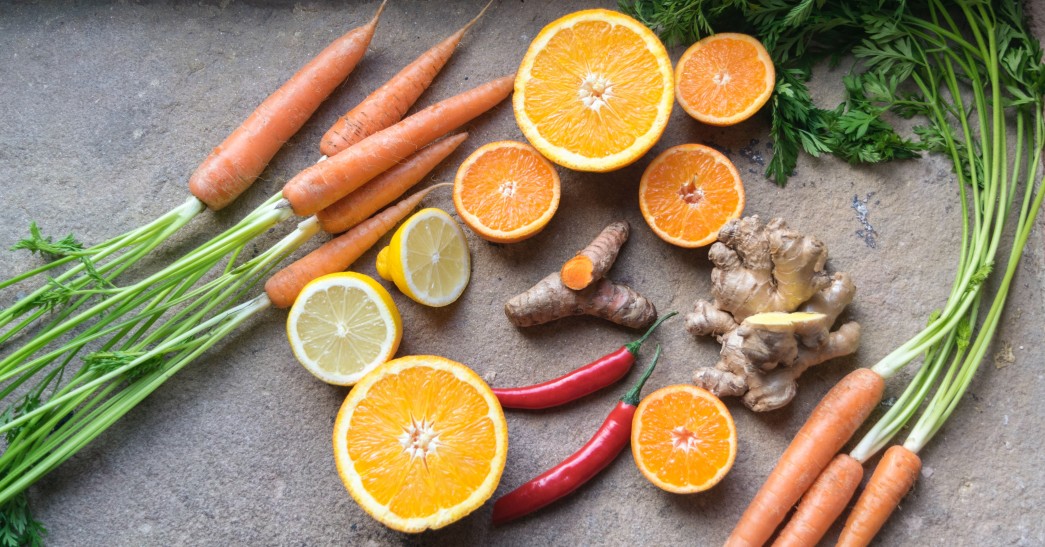
1. Citrus fruits

Juicy lemons, limes, grapefruits and oranges are great sources of vitamin C, which is crucial when it comes to protecting your immune system’s cells and keeping them healthy. It also helps your body to heal from wounds6.

Aim to get around 40mg of vitamin C per day6. For context, an average orange alone contains around 52mg7.

2. Yogurt

Yogurt is a nutrient-dense food. As well as being a good source of protein and calcium, yogurt also contains live cultures, which can help maintain a healthy gut microbiome. Some yogurts are also fortified with nutrients – like vitamin D and B6 – which can help contribute to the normal functioning of the immune system. Plus, yogurt is a great and tasty addition as part of a healthy, balanced diet8.

Actimel yogurt drinks contain vitamins B6 and D, which are known to support the normal function of the immune system. Why not try them as part of your healthy, balanced diet?

3. Fish 

Fish is another tasty item you can add to your list when shopping for your immune system. That’s because fish are good sources of vitamins A and D, protein, and minerals like iodine, calcium and selenium.

Oily fish, such as salmon, mackerel, and sardines, are rich in omega-3 fats, which could play a role in keeping your heart healthy and helping with brain functioning and development. Omega-3 fats are also key players in supporting your immune system9. Studies have found that people who eat fish regularly may have a lower risk of chronic inflammatory diseases, like arthritis10.

Aim to eat two portions of fish a week, including oily fish like salmon or mackerel – it’s a simple way to get in more omega-3s and is a tasty habit your immune system will love11.

4. Chicken and poultry

Poultry meats like chicken and turkey are packed with protein, B-group vitamins, and minerals such as iron and zinc. Protein in particular is good for the immune system as it acts as the building blocks for immune cells, antibodies and other molecules that fight off infections4, 12.

The recommended daily protein intake for adults is typically 0.75g per kilogram of body weight. Current recommendations are 56g per day for men and 45g per day for women (based on body weights of 75kg for men and 60kg for women)13

When it comes to protein, try to eat more beans and pulses, two portions of fish per week and lean portions of meat. Dairy, like yogurt, is also a good source of protein.

If you choose poultry, aim for a serving that’s around the size of your hand14. Remember, poultry is super versatile – you can pop it in a sandwich, eat it with pasta, or even make turkey mince burgers!

5. Avocados

Add a few chunks of deliciously smooth avocado to your salad or smash it up and spread it on toast for a dose of vitamin B6, which is known to support the immune system15.

Avocados contain around 0.33mg of vitamin B6 per serving (one serving equates to half an avocado)16, and help give your immune system some support. Plus, they’re an all-round nutrient-dense food that fit in perfectly as part of a healthy, balanced diet.

6. Spinach

Spinach is a delicious leafy green and a great source of vitamin A. Vitamin A, also known as retinol, helps to keep the immune system in good working order17.

Male adults aged 19-64 need 700 µg daily, while women require 600 µg17. Half a cup of boiled spinach (approx 15g) contains 100 µg of vitamin A  of vitamin A7. Throw a handful in a curry or salad, or blend it into your next smoothie to help support your immune system.

 7. Sweet potatoes 

Another great source of vitamin A, sweet potatoes are as nutritious as they are delicious and are another friend for your immune system. A baked sweet potato would provide roughly 640 µg of vitamin A, which is close to the recommended intake for UK adults (700µg for men and 600µg for women). Plus, unlike normal potatoes, sweet potatoes also contribute towards one of your 5 a day!7

8. Berries 

Berries are great ‘all-rounders’ when it comes to eating healthily, as well as being a food that helps your immune system18. They’re rich in antioxidants19, and great sources of potassium, magnesium, vitamins C and K, and other nutrients – so much so that some scientists recommend eating a cup of fresh berries every day20.

Add them to a smoothie, sprinkle them over your morning breakfast cereal or porridge, or enjoy them on their own as a tasty snack.

9. Nuts and seeds

Lots of nuts and seeds pack a small but mighty punch when it comes to their zinc contents – just 30g of roasted pumpkin seeds contain 25% of your daily recommended intake13. Zinc can help immune cells function properly and supports wound healing21. You can also find zinc in foods like dairy (including yogurt), meat, fish and wholegrains.

10. Wholegrains

Wholegrains like oats, brown rice, wholemeal bread, and quinoa are great in so many ways. They’re packed with nutrients like B vitamins and selenium22, and they’re also great sources of fibre, which feeds bacteria in your gut. The gut and immune system are closely linked, with around 70% of immune cells found in the gut. So looking after your gut means looking after your immune system!

What’s the key to a healthy diet?

No single food alone constitutes a good and healthy diet. The key is to eat a balanced diet that includes a variety of foods to ensure you’re getting all the nutrients your body needs23.

Eating healthily doesn’t have to be complicated. Start by incorporating some nutrient-dense but straightforward foods into your daily diet. Fruits and vegetables are a great source of vitamins and minerals and are easy to pack into your diet23.

Get well on your way to five a day by packing an apple to eat with your lunch, serving up some extra veggies with your dinner, or chopping up some carrot sticks to dip into hummus for an afternoon snack.

You can also enjoy a daily Actimel yogurt shot, containing 15% of your recommended daily vitamin B6 intake and 33% of your recommended daily vitamin D intake to help support the normal function of your immune system.

Other ways to support your immune system

Alongside eating a healthy diet, there are other things you can do to support your immune system and look after your general wellbeing, like24:

  • Getting enough sleep
  • Exercising regularly
  • Reducing stress
  • Reducing your alcohol intake
  • Not smoking
  • Staying up to date with any recommended vaccinations
  • Maintaining a healthy weight

When it comes to maintaining your health and supporting your immune system, small changes to your diet and lifestyle can make a big difference. 

References

  1. Justiz Vaillant AA, Sabir S, Jan A. Physiology, Immune Response. [Updated 2024 Jul 27]. In: StatPearls [Internet]. Treasure Island (FL): StatPearls Publishing; 2025 Jan-. Available from: https://www.ncbi.nlm.nih.gov/books/NBK539801/
  2. InformedHealth.org [Internet]. Cologne, Germany: Institute for Quality and Efficiency in Health Care (IQWiG); 2006-. In brief: How does the immune system work? [Updated 2023 Jun 6]. Available from: https://www.ncbi.nlm.nih.gov/books/NBK279364/
  3. Childs CE, Calder PC, Miles EA. Diet and Immune Function. Nutrients. 2019 Aug 16;11(8):1933. doi: 10.3390/nu11081933. PMID: 31426423; PMCID: PMC6723551.
  4. British Heart Foundation (2022). What should I eat to boost my immunity? [online] Available at https://www.bhf.org.uk/informationsupport/heart-matters-magazine/nutrition/ask-the-expert/boosting-immunity {Accessed June 2025]
  5. NHS Professionals. Diet and Nutrition [online]. Available at https://www.nhsprofessionals.nhs.uk/health-and-wellbeing/helpful-links/diet-and-nutrition [Accessed June 2025]
  6. NHS (2020). Vitamin C [online] Available at https://www.nhs.uk/conditions/vitamins-and-minerals/vitamin-c/ [Accessed June 2025]
  7. GOV.UK (2021). Composition of foods integrated dataset (CoFID) [online] Available at https://www.gov.uk/government/publications/composition-of-foods-integrated-dataset-cofid [Accessed October 2025]
  8. Hasegawa, Y. & Bolling, B. W. (2023). Yogurt consumption for improving immune health. Current Opinion in Food Science, 51, 101017. https://doi.org/10.1016/j.cofs.2023.101017
  9. BDA The Association of UK Dieticians. Omega-3 [online 2021]. Available at https://www.bda.uk.com/resource/omega-3.html. [Accessed June 2025]
  10. Mendivil CO. Dietary Fish, Fish Nutrients, and Immune Function: A Review. Front Nutr. 2021 Jan 20;7:617652. doi: 10.3389/fnut.2020.617652. Erratum in: Front Nutr. 2021 May 19;8:693773. doi: 10.3389/fnut.2021.693773. PMID: 33553231; PMCID: PMC7855848.
  11. NHS (2022). Fish and shellfish [online] Available at https://www.nhs.uk/live-well/eat-well/food-types/fish-and-shellfish-nutrition/ [Accessed June 2025]
  12. Marangoni F, Corsello G, Cricelli C, Ferrara N, Ghiselli A, Lucchin L, Poli A. Role of poultry meat in a balanced diet aimed at maintaining health and wellbeing: an Italian consensus document. Food Nutr Res. 2015 Jun 9;59:27606. doi: 10.3402/fnr.v59.27606. PMID: 26065493; PMCID: PMC4462824.
  13. British Nutrition Foundation (2023). Protein [online] Available at https://www.nutrition.org.uk/nutritional-information/protein/ [Accessed October 2025]
  14. NHS Royal United Hospitals Bath. Are you having a nutritionally adequate diet? [Online 2023]. Available at https://www.ruh.nhs.uk/patients/patient_information/DTT004_Nutritionally_adequate_diet.pdf. [Accessed June 2025]
  15. Qian B, Shen S, Zhang J, Jing P. Effects of Vitamin B6 Deficiency on the Composition and Functional Potential of T Cell Populations. J Immunol Res. 2017;2017:2197975. doi: 10.1155/2017/2197975. Epub 2017 Mar 6. PMID: 28367454; PMCID: PMC5358464.
  16. BDA The Association of UK Dietitians. Avocados - icon or enemy? [online 2023]. Available at https://www.bda.uk.com/resource/avocados-icon-or-enemy.html. [Accessed June 2025]
  17. NHS. Vitamin A [online 2020]. Available at https://www.nhs.uk/conditions/vitamins-and-minerals. [Accessed June 2025]
  18. Vahapoglu B, Erskine E, Gultekin Subasi B, Capanoglu E. Recent Studies on Berry Bioactives and Their Health-Promoting Roles. Molecules. 2021 Dec 24;27(1):108. doi: 10.3390/molecules27010108. PMID: 35011338; PMCID: PMC8747047.
  19. BDA The Association of UK Dietitians. Fruit and vegetables - how to get 5-a-day [online 2020]. Available at https://www.bda.uk.com/resource/fruit-and-vegetables-how-to-get-five-a-day.html. [Accessed June 2025]
  20. Harvard T. H. Chan School of Public Health (2021). Berries are among the healthiest foods you can eat [online] Available at https://hsph.harvard.edu/news/fresh-berries-are-among-the-healthiest-foods-you-can-eat/ [Accessed June 2025]
  21. NHS (2020). Vitamins and minerals: Others [online] Available at https://www.nhs.uk/conditions/vitamins-and-minerals/others/ [Accessed October 2025]
  22. BDA (2022). Wholegrains [online] Available at https://www.bda.uk.com/resource/wholegrains.html [Accessed October 2025]
  23. NHS (2022). Eating a balanced diet [online] Available at https://www.nhs.uk/live-well/eat-well/how-to-eat-a-balanced-diet/eating-a-balanced-diet/ [Accessed June 2025]
  24. Harvard Health Publishing. How to boost your immune system [online] Available at https://www.health.harvard.edu/staying-healthy/how-to-boost-your-immune-system [Accessed June 2025]

*Actimel Core, Triple Action, Dairy Free & 00 range contain Vitamins D and B6 to help support the normal function of the immune system. Actimel kids contains vitamin D to support the normal function of the immune system in children. **Actimel 0% Fat 0% Added Sugars : No added sugars, contains naturally occurring sugars. ***Except for Actimel Kids range. ****Vitamin B6 contributes to normal energy-yielding metabolism. RI: Reference intake of an average adult (8400 KJ/2000 Kcal) (as per Food Information Regulations). Enjoy as part of a balanced diet and healthy lifestyle. △Actimel is the best selling immune support brand in the chilled yogurts and desserts immune support category in the UK, based on value and volume sales. Source: Circana All Outlets excl Discounters, Chilled Yogurts and Desserts Immune Support Segment, value and volume sales for 52 w/e 10 August 2024. 

x