vit B

Aug 09, 2022

What is Vitamin B6, and what does it do?

Learn more about vitamin B6 benefits and its role in a healthy lifestyle, from how much you need to how you can get enough in your diet. 

What is Vitamin B6?

Vitamin B6, or ‘pyridoxine’ to use its scientific name, is a water-soluble vitamin that contributes to the normal function of your immune system.

Vitamin B6 is found in a variety of foods, including meat, fish, egg yolks, certain fruits and vegetables, and fortified products like breakfast cereals and yogurt. Vitamin B6 can even be synthesised in small amounts by the bacteria in your gut1.

What is Vitamin B6 good for?  

From hormone regulation and help in keeping you energised to supporting the normal function of your immune system2, there’s more to Vitamin B6 than you might think. It also helps with red blood cell production which helps carry oxygen around the body.

So, when looking at the B vitamins, what does B6 do, and what is B6 good for?

Metabolic functions and Vitamin B6 - turning food into energy

Vitamin B6 plays an essential role in enzyme reactions, especially those related to protein, carbohydrate and fat metabolism. In simple terms, vitamin B6 helps your body to store and use energy from the carbohydrates and proteins contained in the foods you eat3.

Vitamin B6 does this through a variety of mechanisms. One way is by helping with a process called ‘glycogen breakdown’. Glycogen is a form of carbohydrate that your body uses to store energy and is mainly found in the liver and muscles.  Vitamin B6 helps to turn glycogen into usable glucose, providing your body with the energy it needs – this is particularly useful during fasting or physical activity4.

Vitamin B6 and diseases

Vitamin B6 supports the normal function of your immune system, which works around the clock to keep you healthy and help you fend off common illnesses and infections. And here’s how.

Your body contains many special white blood cells called ‘T cells’ and antibodies, which help to protect your body against viruses and bacteria. Vitamin B6 is one of the vitamins needed to produce enough T cells and antibodies to keep you fit and healthy5

Your immune system also contains tiny proteins called ‘cytokines’5. Think of these as little messengers that tell the immune system to spring into action against a virus or a bacteria and, importantly, when to stop. Vitamin B6 helps keep these messages balanced so your body doesn’t waste precious energy when it doesn’t need to.

Other benefits of Vitamin B6 

Let’s take a look at some more Vitamin B6 benefits. There are more good reasons to get enough of it in your diet than you might think! 

Red blood cells

Vitamin B6 helps your body produce haemoglobin, a protein in red blood cells responsible for carrying oxygen around the body2.

This explains why anaemia can be a common symptom of Vitamin B6 deficiency, leaving red blood vessels unable to carry as much oxygen around the body, causing feelings of weakness and shortness of breath6.

Psychological function

There’s nothing worse than the feeling of ‘brain fog’. It can have a real impact on your day-to-day life and ability to do the things you enjoy.

Vitamin B6 is essential in the production of neurotransmitters and hormones like serotonin and dopamine. Without enough B6, your brain may struggle to produce enough of these chemicals which can lead to symptoms like low mood, low concentration, difficultly with memory and anxiety7

Hormonal activity

There are over 50 hormones in the human body, and each one contributes to a different function.

Vitamin B6 has been linked to a number of hormone functions8, impacting everything from your metabolism to the production of the ‘happy hormone’ serotonin9.

What food is Vitamin B6 found in?  

Eating a healthy and balanced diet is very important for getting the vitamins and minerals that your body needs every day. It’s also one way to help support your immune system.

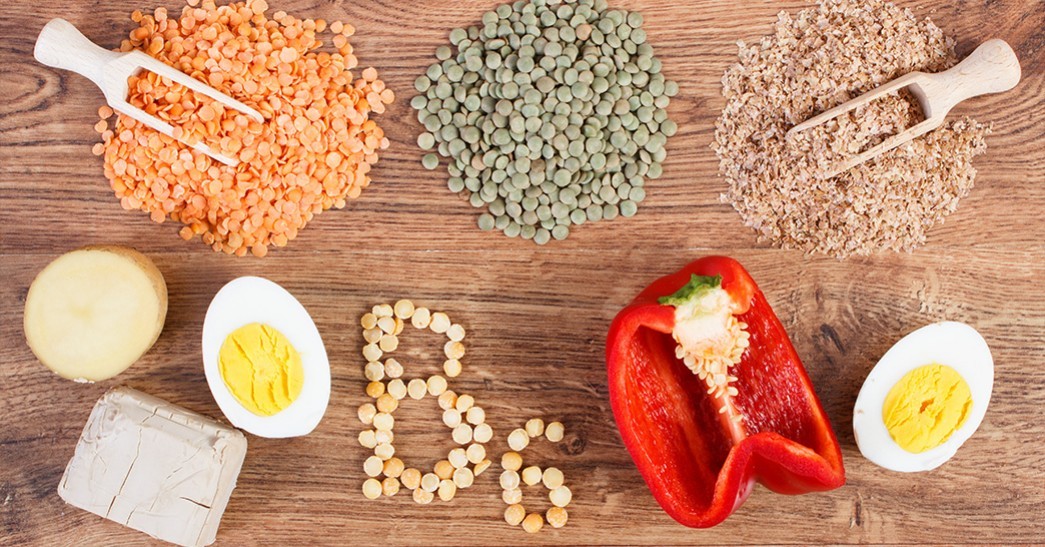
Fortunately, there are plenty of delicious foods which are good sources of vitamin B6 foods that you can easily incorporate into your daily diet. These include2:

  • Poultry, such as chicken and turkey 
  • Fish
  • Fortified breakfast cereals 
  • Egg yolks 
  • Yeast extracts 
  • Soya beans 
  • Sesame seeds 
  • Some fruit and vegetables (including banana, avocados and green peppers)

Vitamin B6 can also be found in fortified dairy products such as some milks and yoghurts. Actimel yoghurt shots are a tasty way to your daily intake of vitamin B6 and can be enjoyed as part of a healthy, balanced diet. 

Recommended daily intake of Vitamin B6

You may be wondering how much Vitamin B6 you need a day. For healthy adults (aged between 19 and 64), the recommended intake is around3:

  • 1.4mg a day for men

  • 1.2mg a day for women
     

(For context, one banana contains around 20% of an adult’s recommended daily intake of Vitamin B6)10.

What happens if I don’t have enough Vitamin B6?

Maintaining a healthy, balanced diet can help keep you functioning at your best. If you’re not getting enough of a certain vitamin or mineral, you could experience a deficiency.

Vitamin B6 deficiency can lead to symptoms such as6:
 

  • Feeling irritable, confused or depressed - remember that Vitamin B6 is linked to the production of mood-related hormones.
  • Microcytic anaemia - a type of anaemia where your red blood cells are smaller and don’t carry enough oxygen around your body, leaving you feeling more tired than usual.
  • Skin and mouth symptoms, including a swollen tongue or sores on the side of your mouth. This occurs because vitamin B6 is needed for collagen synthesis and fat metabolism both of which are important for maintenance of skin.
  • Weakened immune function - you may be more susceptible to common infections. 

What happens if I have too much Vitamin B6?  

If you’re struggling to get enough Vitamin B6 in your diet, you might consider a supplement. However, always speak with your healthcare provider before you do this to ensure that you don’t take too much. 

It’s recommended that adults don’t exceed 200mg of Vitamin B6 a day3. Regularly taking 200mg or more of Vitamin B6 a day can lead to a condition called ‘peripheral neuropathy’, which is described as a loss of feeling in the arms and legs3.

If you have questions about whether you’re getting enough Vitamin B6, please make sure you speak to your healthcare professional.

References

  1. Hossain KS, Amarasena S, Mayengbam S. B vitamins and their roles in gut health. Microorganisms. 2022 Jun 7;10(6):1168.
  2. British Nutrition Foundation. Vitamins and Minerals [online]. Available at https://www.nutrition.org.uk/nutritional-information/vitamins-and-minerals/. [Accessed June 2025]
  3. NHS. Vitamins and minerals: B vitamins and folic acid [online 2020]. Available at https://www.nhs.uk/conditions/vitamins-and-minerals/vitamin-b/. [Accessed June 2025]
  4. Parra, M., Stahl, S. and Hellmann, H. (2018) 'Vitamin B6 and its role in cell metabolism and physiology,' Cells, 7(7), p. 84. https://doi.org/10.3390/cells7070084.
  5. Stach, K., Stach, W. and Augoff, K. (no date) 'Vitamin B6 in Health and Disease,' Nutrients, 13(9), p. 3229. https://doi.org/10.3390/nu13093229.
  6. Brown MJ, Ameer MA, Daley SF, et al. Vitamin B6 Deficiency. [Updated 2023 Aug 8]. In: StatPearls [Internet]. Treasure Island (FL): StatPearls Publishing; 2025 Jan-. Available from: https://www.ncbi.nlm.nih.gov/books/NBK470579/
  7. 'Scientific Opinion on the substantiation of health claims related to vitamin B6 and contribution to normal homocysteine metabolism (ID 73, 76, 199), maintenance of normal bone (ID 74), maintenance of normal teeth (ID 74), maintenance of normal hair (ID 74' (2010) EFSA Journal, 8(10), p. 1759. https://doi.org/10.2903/j.efsa.2010.1759.
  8. Rose, D.P. (1979) 'The Interactions between Vitamin B6 and Hormones,' Vitamins and Hormones, pp. 53–99. https://doi.org/10.1016/s0083-6729(08)60982-6.
  9. Durrani D, Idrees R, Idrees H, Ellahi A. Vitamin B6: A new approach to lowering anxiety, and depression? Ann Med Surg (Lond). 2022 Sep 15;82:104663. doi: 10.1016/j.amsu.2022.104663. PMID: 36268413; PMCID: PMC9577631.
  10. Public Health England. McCance and Widdowson’s The Composition of Foods Integrated Dataset 2021. GOV.UK. Published March 25, 2015. Last updated March 19, 2021. Available at: https://www.gov.uk/government/publications/composition-of-foods-integrated-dataset-cofid


*Actimel Core, Triple Action, Dairy Free & 00 range contain Vitamins D and B6 to help support the normal function of the immune system. Actimel kids contains vitamin D to support the normal function of the immune system in children. **Actimel 0% Fat 0% Added Sugars : No added sugars, contains naturally occurring sugars. ***Except for Actimel Kids range. ****Vitamin B6 contributes to normal energy-yielding metabolism. RI: Reference intake of an average adult (8400 KJ/2000 Kcal) (as per Food Information Regulations). Enjoy as part of a balanced diet and healthy lifestyle. △Actimel is the best selling immune support brand in the chilled yogurts and desserts immune support category in the UK, based on value and volume sales. Source: Circana All Outlets excl Discounters, Chilled Yogurts and Desserts Immune Support Segment, value and volume sales for 52 w/e 10 August 2024. 

x